
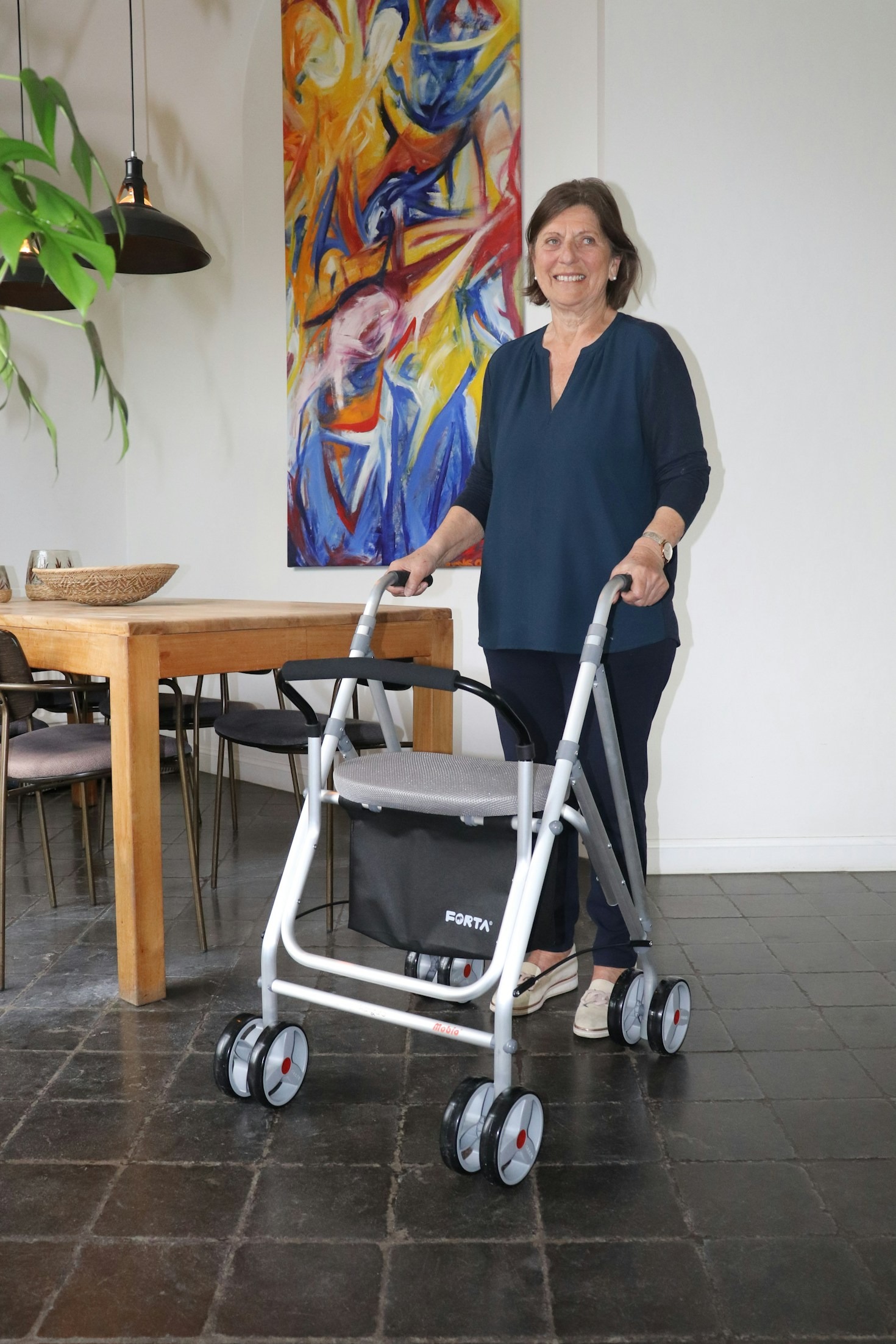
Falls are a major health concern for older adults, with the CDC reporting that one in four adults aged 65 and older experiences a fall each year, leading to millions of injuries, emergency department visits, and rising mortality rates. These incidents can threaten independence, contribute to long-term disability, and increase healthcare costs. The CDC emphasizes that most falls stem from modifiable risk factors such as lower-body weakness, balance difficulties, medication side effects, vision problems, and home hazards, and it promotes evidence‑based prevention strategies through its STEADI initiative.
https://www.cdc.gov/falls/data-research/index.html?utm_source=copilot.com
Organizations like AARP reinforce these messages by encouraging older adults and caregivers to adopt proactive fall‑prevention habits—such as staying physically active, reviewing medications with healthcare providers, improving home safety, and maintaining regular vision care—to support aging in place and reduce fall risk.
Licensed home physical therapists are experts in safe home mobility and fall prevention. Physical therapy has been shown to decrease risk of falls by around 30%.
1. Strength and Balance Training
Regular lower‑body strengthening and balance exercises (e.g., Tai Chi, chair stands, heel raises) improve stability and reduce fall risk. The CDC’s STEADI initiative highlights exercise as one of the most effective interventions for preventing falls, and AARP encourages older adults to maintain consistent physical activity to preserve mobility.
2. Medication Review
Many prescription and over‑the‑counter medications—especially sedatives, sleep aids, antihypertensives, and certain antidepressants—can cause dizziness or slowed reaction time. The CDC recommends annual medication reviews to identify drugs that increase fall risk, while AARP advises older adults to ask providers about safer alternatives or dose adjustments.
3. Vision and Hearing Care
Poor vision or hearing reduces environmental awareness and increases fall risk. The CDC notes that regular eye exams help detect cataracts, glaucoma, and refractive changes. AARP adds that hearing checks can improve balance and spatial orientation.


4. Home Safety Modifications
Simple environmental changes—removing clutter, improving lighting, installing grab bars, securing rugs, and adding railings—significantly reduce household hazards. Both CDC and AARP emphasize home safety as a cornerstone of fall prevention, especially for adults aging in place.
5. Managing Chronic Conditions
Conditions such as diabetes, neuropathy, arthritis, and cardiovascular disease can impair gait, strength, or sensation. The CDC encourages routine screening and management of chronic conditions, and AARP highlights the importance of staying on top of medical appointments to maintain functional independence.
Wrapping It All Up
Falls are common, costly, and preventable, and the CDC’s data makes that unmistakably clear: more than 14 million older adults—about one in four—report a fall each year, and fall‑related injuries account for millions of emergency visits and rising mortality rates nationwide. Many of these falls stem from modifiable factors such as lower‑body weakness, balance deficits, unsafe home environments, and medications that affect steadiness. Effective fall prevention requires a proactive, multi‑layered approach—screening for risk, strengthening the body, improving balance, and addressing environmental hazards. This is exactly where physical therapy becomes one of the most powerful interventions. PT provides targeted strength and balance training, gait and mobility optimization, home‑safety guidance, and individualized strategies that reduce fall risk while improving confidence and independence. For older adults who want to remain active and age safely in place, partnering with a physical therapist is one of the most evidence‑supported ways to prevent falls and maintain long‑term mobility.
Leave a Reply